
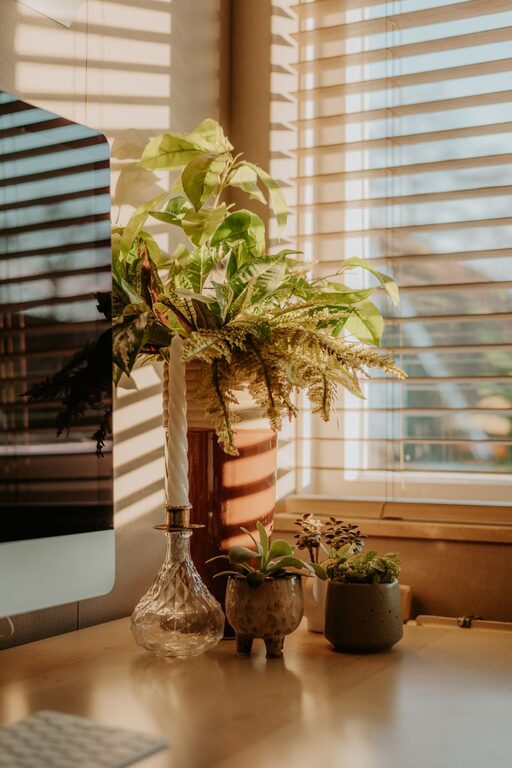
Creating a comfortable and inviting home office is essential for maintaining productivity and well-being, especially as many people spend more time working from home. A cozy workspace can help reduce stress and keep you motivated throughout the day. If you’re looking to create a home office where you feel comfortable and inspired, this guide offers practical tips to design a space that suits your needs.
Choose the Right Location
Your home office location sets the tone for your workday. Ideally, pick a quiet spot with minimal distractions. If possible, select a room with natural light as it improves mood and reduces eye strain.
– Dedicated space: Avoid setting up your office in high-traffic areas like the kitchen or living room.
– Privacy: A room where you can close the door helps minimize interruptions.
– Comfort: Ensure the location allows for proper ventilation and temperature control.
Invest in Comfortable Furniture
Comfortable furniture is crucial for a pleasant work environment. Choosing the right pieces can prevent discomfort and promote better posture.
– Ergonomic chair: Select a chair with good lumbar support and adjustable height.
– Desk size: Ensure your desk has enough space for your computer, notes, and other essentials.
– Flexible furniture: Consider adjustable desks that allow you to switch between sitting and standing.
Optimize Lighting
Lighting affects both mood and productivity. Good lighting reduces eye strain and keeps you alert during work hours.
– Natural light: Position your desk near a window if possible.
– Task lighting: Use desk lamps with adjustable brightness to focus on your work.
– Ambient lighting: Soft overhead lights create a warm environment.
Personalize Your Space
Adding personal touches makes your workspace feel inviting and uniquely yours.
– Artwork and photos: Display pictures or artworks that inspire or relax you.
– Plants: Indoor plants improve air quality and add a calming natural element.
– Decor: Use cushions, rugs, or wall art to create warmth and comfort.
Declutter and Organize
A tidy workspace helps clear your mind and boosts efficiency.
– Storage solutions: Use shelves, drawers, or filing cabinets to keep items organized.
– Minimalism: Keep only what you need on your desk to avoid distractions.
– Cable management: Use clips or boxes to organize cords and prevent tangling.
Incorporate Calming Colors
Colors influence mood and focus. Choose calming shades that promote concentration and relaxation.
– Neutral tones: Soft whites, beiges, and greys create a clean and calm backdrop.
– Accent colors: Gentle blues, greens, or pastels can boost creativity and calmness.
– Avoid bright, harsh colors: Intense reds or yellows might be distracting.
Use Technology Smartly
Technology tools should support your work, not overwhelm your space.
– Efficient devices: Choose reliable computers and peripherals.
– Wireless accessories: Reduce clutter with wireless keyboards and mice.
– Cable organizers: Keep your technology setup clean and secure.
Create a Relaxation Corner
Including a small area for breaks helps refresh your mind during work.
– Comfortable seating: A cozy chair or small sofa can offer a relaxing spot.
– Reading nook: Keep inspirational books or magazines nearby.
– Soft lighting: Use warm lamps or fairy lights to create a soothing atmosphere.
Maintain Good Air Quality
Fresh air keeps you alert and reduces fatigue.
– Ventilation: Open windows regularly if possible.
– Air purifiers: Consider using a purifier to reduce dust and allergens.
– Plants: As mentioned, plants help purify the air naturally.
Set Boundaries
Clearly define your office area to separate work from home life.
– Visual cues: Rugs or screens can delineate the workspace.
– Work hours: Respect your working schedule to avoid burnout.
– Communicate: Let family members know your office times to reduce interruptions.
—
By applying these tips, your home office can become a cozy and inviting space where productivity and comfort go hand in hand. Remember, creating a workspace that suits your style and needs is key to enjoying your workday and maintaining focus. Whether you prefer minimalist designs or a more personal, decorated space, small changes can make a big difference in your daily routine.